/
Please enable JavaScript to play our music tracks!
Waveform will be available soon!
All rights reserved. No usage without prior licensing. Please be fair. Thank you!
Shimmering with electro synths and a cold winter feel, Ice is the perfect music to accompany winter sports spots. Energetic and fast paced.
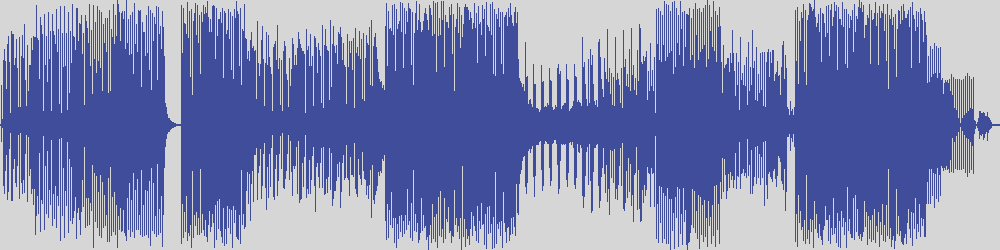
A wonderful short break for the little notice or the 10-second trailer
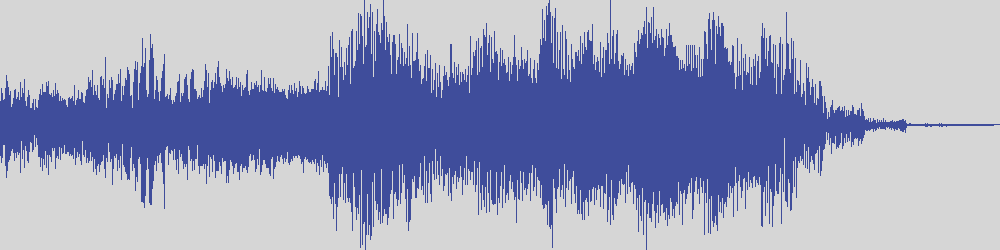
This one is a groover with a riff that just won't quit. When it does give you a breather from it's grasp, it drops to a kind of electric delta blues feel only to explode again into a gargantuan riff. Things get spacey in the mid breakdown section only to once again fly headlong into the monster riff. May contain guitars, bass, drums, synth and some traces of nut.
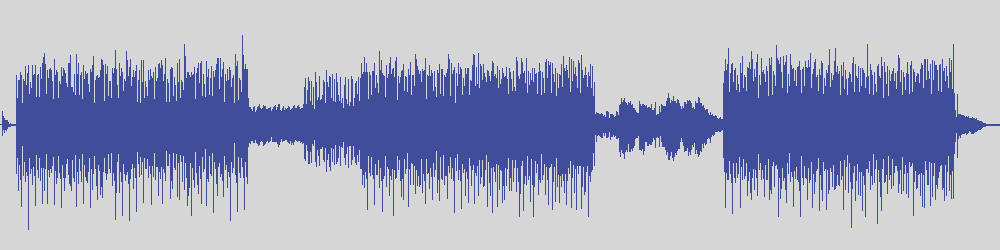
An harmonic opening of the track with flute and harp is being taken over by bright and shining brass, playing a heroic theme. After this glorious opening the track falls back to a calm background track, enough space for a narrator to begin with his story...
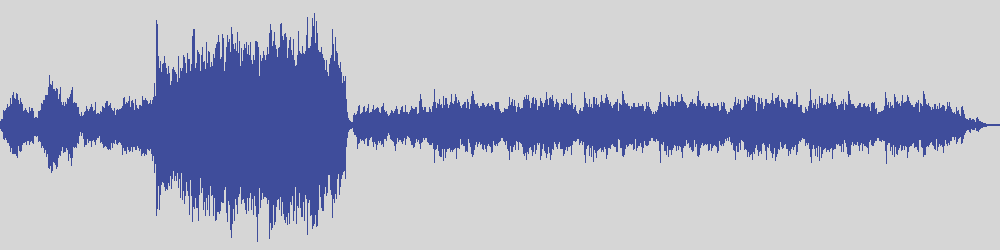
Tenor sax takes the lead in this mellow latin jazz. Fast and energetic, the track drives forward with an up-tempo pace and allows the guitar and sax players to reach out with creative melodies to the rhythmic accompaniment.
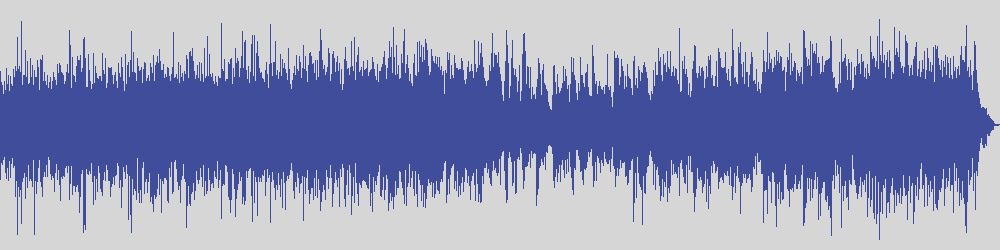
Rapid rock with strong solo guitar, guitar-passages in thirds and a lot of action. A quiet middle section forms a contrary middle part.
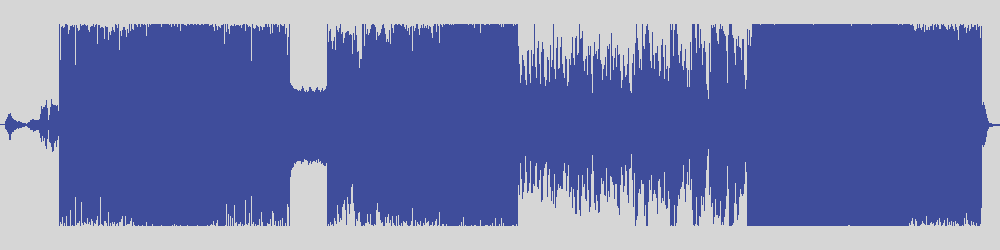
Big Brassy Reggae Dub track with lots of vibe and presence. Big brass Licks help create a big and vibrant sound. All the reggae and dub element you would expect, Big Horns, Rhythm guitars and Hammond organs.
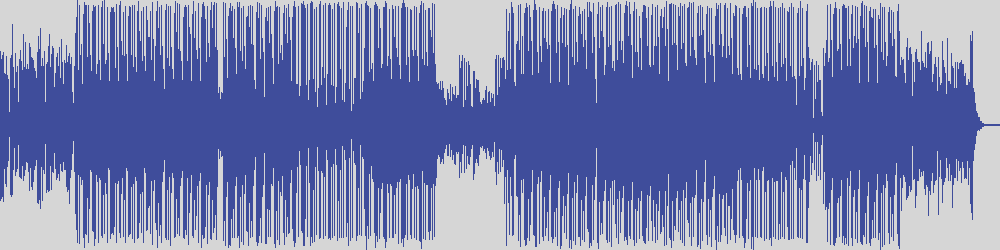
Very Powerful riff/groove driven track. Has many different flavours within it. The b part has acoustic guitars, verse 2 synth pads and funky rhythm guitars. The whole tune has the core riff as a variation, providing many moods and textures. Contains guitars, synths, strings, bass and drums.
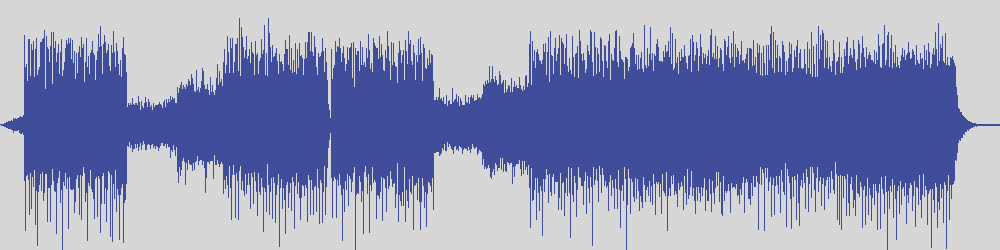
A beautiful solo piano ballad. Tender, understated, poignant, perhaps regretful or vulnerable.
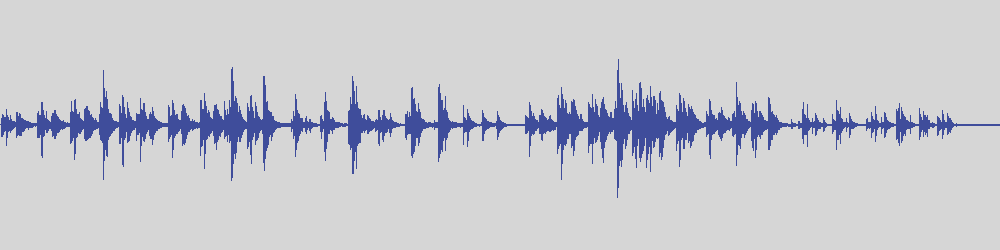
A sparse, understated and gentle solo piano track. Melancholic but hopeful. Eternal love, reflection, perhaps loss or dearly held memories.