/
Please enable JavaScript to play our music tracks!
Waveform will be available soon!
All rights reserved. No usage without prior licensing. Please be fair. Thank you!
Didgeridoo lead groover. Didge combines with dulcimer, strings and a laid back groove to produce an intriguing, hypnotic track with an air of mystery to it. The mid part brings in another colour and dimension through use of spacious and emotional vocals lines.
… and sometimes not quite as far up as you would like to be. Then you might need a good portion of Blues from the steam pot of the South.
A rhythmic, dark, orchestral track of amazement and tension. Similar to the style/sound of Hans Zimmer music, this cinematic piece has a strong sense of nerve and drama.
Very rhythmic techno spy tune, featuring lots of synth bass and percussion. For a big action or chase scene.
A lively, grand and epic orchestral soundtrack suitable for Fantasy, Magic, Sci-fi and Epic trailers, Pompous and eventful, this track features brash and urgent orchestral runs and is available with or without the Choir, Somewhat Harry Potter-esque in style, the track carries a sense of danger and urgency, whilst at the same time feeling excited, amazed, rousing and triumphant,
Shake your feet and dance ! Good mood french-sytle electro funk with classical club elements from the 70s and 80s, vintage feeling included. String passages, funky basslines, guitars, amazing grooves and classic 80 EDM elements combined to get the french touch sound.
Classic 1960's, 1970's style funk-rock with a slick, modern sound. Funky bass line, Hammond organ. Fun and excitement, casinos and gambling, game shows, showtime. Jazzy and upbeat, exciting, Las Vegas. A little bit mischievous, cheeky. Takes on a more bluesy rock feel towards the end, with a blues guitar.
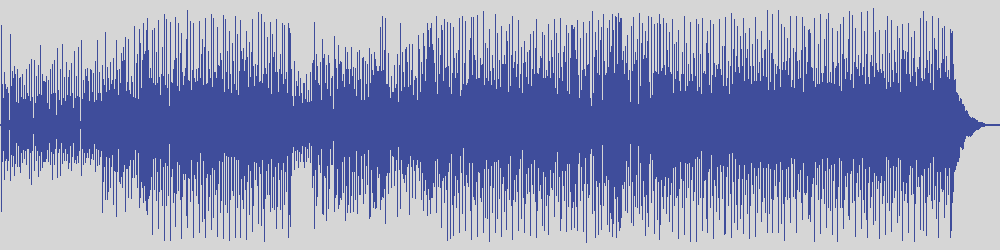
A fast, dramatic and energetic end to the famous Moonlight Sonata. The third movement moves along at a great pace, (presto agitato - which means fast, in a hurry and agitated). The pianist gives a fantastic rendition of this high tempo work. The Piano Sonata No. 14 op. 27 no. 2 in C sharp minor by Ludwig van Beethoven, completed in 1801, is also known as the Moonlight Sonata. Beethoven himself gave his work the nickname Sonata quasi una Fantasia ("... quasi a fantasy"). The term "Fantasia" refers to the unusual sequence of movements of the sonata. This explains the untypical tempos of the respective movements for the conventional sonata form. The work does not have a first (fast) movement in sonata form, which sonatas of this period usually contain. It begins with an Adagio, followed by a more lively Allegretto with Trio, followed by a fast, highly dramatic Finale, which has the structure of a sonata-form. What is striking here is that the tempo increases from movement to movement. Franz Liszt characterized the piece by describing the second movement as "a flower between two abysses".