/
Please enable JavaScript to play our music tracks!
Waveform will be available soon!
All rights reserved. No usage without prior licensing. Please be fair. Thank you!
Mainstream Rap arrangement for shrewd talkovers

Suspenseful, dramatic, ethereal, epic, spacious, moody, atmospheric cinematic rock track that gradually builds in intensity. Starts with dhol drums & various synths join in as it goes. Exciting, tense, thrilling, rhythmically hypnotic & climactic. Would suit action / thriller / sports / combat / crime type projects.
Mysterious, pulsating underscore track with a sense of danger or impending discovery. Crime investigation, undercover spy, agent, secret mission, breaking in or exploring a crime scene etc.
Savage, Jarring
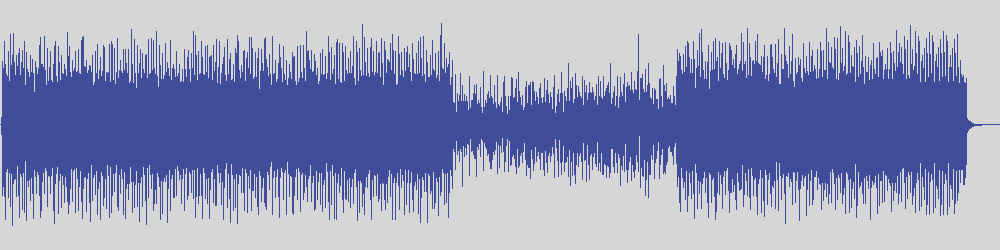
A delicate, sad track that has a lite magical and evolving ambience modern moody drums somber trumpet and concerned rhythmic elements.
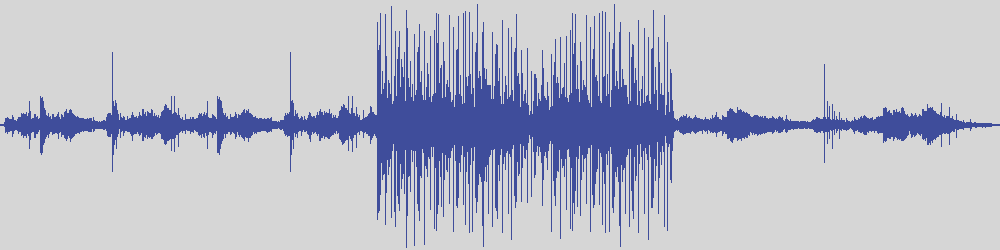
thoughtful, melancholic with mystic female vocals
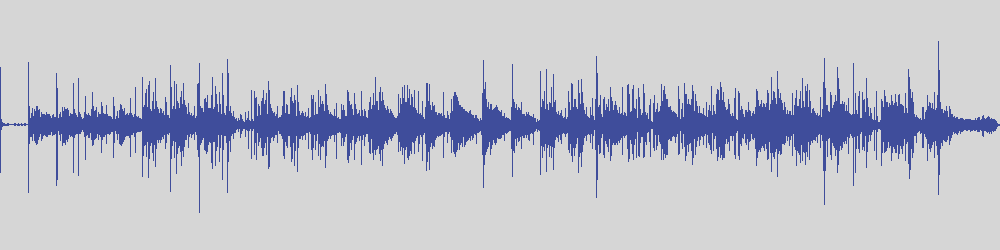
A pensive, foreboding opening builds up to an all-out rock track from about 50 seconds. Retro, Classic hard rock sound, similar to Led Zeppelin etc. Good for sports, extreme sports, action, commercials, motorsports, racing, trailers, sport footage montages, etc. Something different and retro in a very cool way. Check out the Underscore version too, for a different perspective.
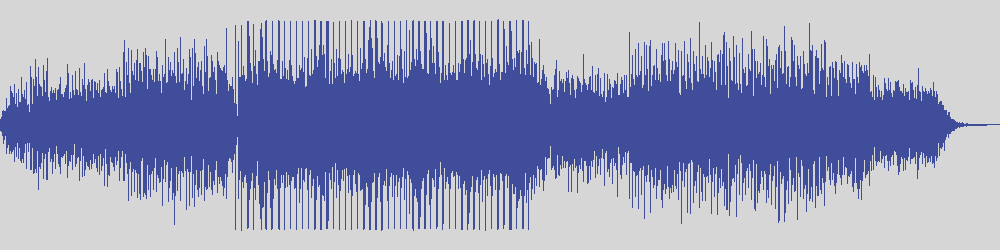
Gritty, dirty, hip-hop with a hardcore rock element and drum'n bass style drums. Hard, dark, extreme, war mongering. Good for extreme sports and action filled footage. Grinding guitars with slamming hip hop / electronica drums.
Film scores: Amazement/Wonderment
An epic orchestral composition. Emotional and vivid. Great underscore for fantasy game, animation or as a movie soundtrack. Strings, Choirs, Orchestral Percussion and Beautiful sounds of Harp. film soundtrack fantasy victory suspense orchestral cinematic strings choir harp dramatic uprising dynamic power glory