/
Bitte aktivieren Sie JavaScript um unsere Musiktitel abspielen zu können!
Waveform wird in Kürze erstellt!
Alle Rechte vorbehalten. Kein Einsatz ohne vorherige Lizenzierung. Bitte seien Sie fair. Danke!
Sad and devoid of hope, this Chopin composition was played at his own funeral. It has been popular in recent film and TV productions including 'The Pianist' and 'The West Wing'.
reichhaltige und feine Piano- und Kantele-Arpeggios, als Intro vor dem großen Auftritt
Melancholische Gitarren dem Sonnenuntergang entgegen
Eingespielt von Cordula Jäger, 2011
Wunderschönes Solo-Gitarrenstück für Konzertgitarre. Wahrscheinlich direkt am Ufer des Sees eingespielt, während der Wind das Schilf leise in den Schlaf wiegt.
Eine spitzbübisches und unbeschwertes Soloklavier-Stück, wie man es gerne in der Klavierstunde gespielt hätte. Fit, motiviert und bewegt aber auch elegant.
Ein klares und entspannendes Klaviersolo. Impressionistisch und leicht, wie der Tau auf Blättern. Beruhigend, schön und nachdenklich.
Piano, melancholisch, träumerisch, in Gedanken, alleine, einsam, große Gefühle
Minneloblied auf die Liebe
Wunderschöne Landschaft vor Augen, da wünscht man sich, man hätte eine Gitarre zum vertonen der Tagträume dabei - oder man hört diesen Song.
Der Weihnachts-Klassiker in einer tollen Spieluhr-Version. Perfekte Untermalung für Grußkarten oder Weihnachts-Spots. Elegant und besinnlich zugleich.
die Dehnung der Zeit, bluuuueeessy....
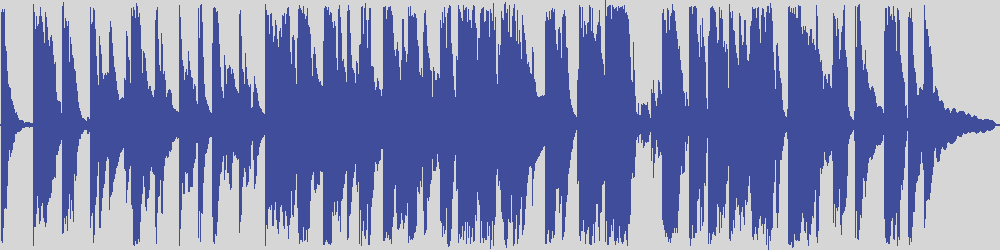
Süßes, beschauliches Klavier Solo. Reflektierend und sanft, liebevoll und leicht vernebelt. Nachdenkliches Drama über ewige Liebe und Freundschaft.
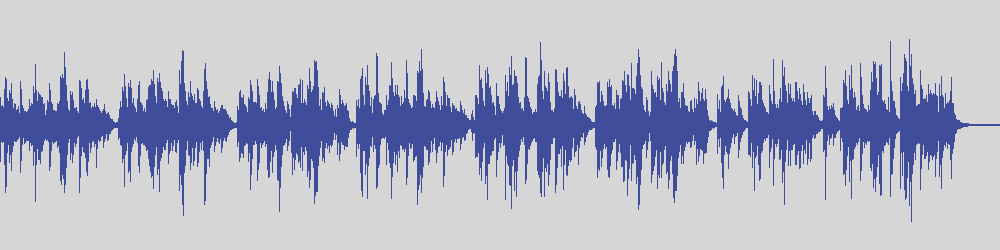
Sweet, contemplative solo piano theme. Reflective and gentle, loving and slightly mistful. Thoughtful, drama eternal love, friendship. Mellow.
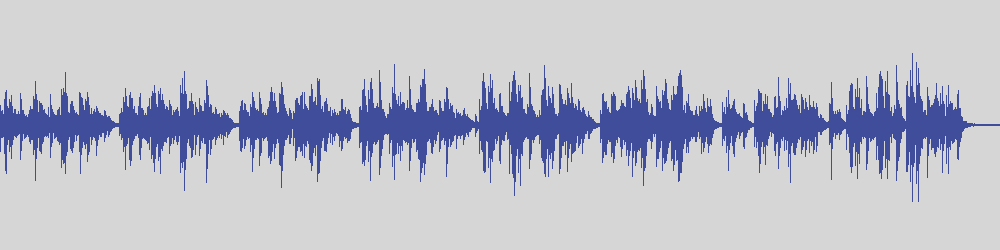
Für Liebhaber der klassischen Klaviermusik
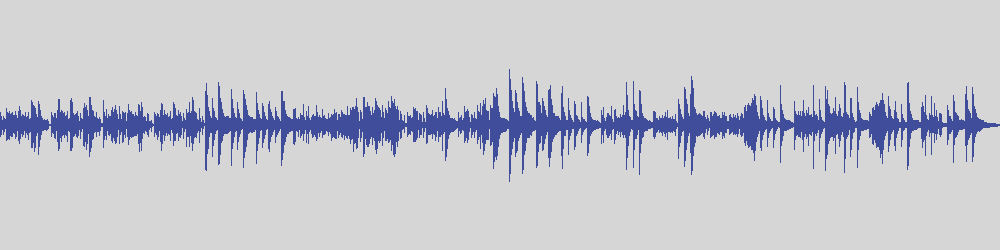
bedächtiges Klaviersolo, der Blick aus dem Fenster in einen regnerischen Tag, leise melancholisch aber mit dem notwendigen Touch von stiller Freude
Frühstück am Hindukusch mit Halva Puri und lebendigen Orginalinstrumenten
Japanische Ballade an eine Feuerblume
Sehr ruhiges und melacholisches Pianostück. Verschafft eine nachdenkliche und intime Stimmung. Trotzdem positiv. Gut als melancholische Sequenz in einem Film geeignet oder auch als Hintergrundmusik von bewegenden Dokumentarfilmen.