/
Bitte aktivieren Sie JavaScript um unsere Musiktitel abspielen zu können!
Waveform wird in Kürze erstellt!
Alle Rechte vorbehalten. Kein Einsatz ohne vorherige Lizenzierung. Bitte seien Sie fair. Danke!
A solo guitar piece with hugely Hispanic and Latin overtones. This habanera, (or dance of Havana), has a wonderful swaying theme which transports you to exotic places and bars. Great for travel sequences.
Bristling with energy, this lively waltz for solo piano surges with huge confidence and presence. Requires great skill from the performer to keep up with the pace. Regarded by some as the first of Chopin's waltzes to be published.
One of sixteen waltzes by Brahms which shows a really soft and sentimental side. The dynamics don't change too much so it has a very peaceful approach to let the flowing melodies shine through.
Gentle, calm classical piano and strings piece with highly emotional undertone
Weihnachten mit Rhodes und Bells
Only sixteen bars long, this is a beautiful prelude. Graceful, serene and delicate it allows the listener to relax and unwind in a calm and peaceful way. Used in many productions and commercials worldwide.
A moving classical piano ballad, romantic and historic with tints of nostalgia
this is strident and morose with its block chords in a minor key.
klassiches Klavier-Solo, Erholung für übermüdete Ohren
Gymnopedie No.2 has an aura of sombreness about it. 'Lent et triste', (slow and sad), is the instruction to the player. Very atmospheric with a feeling of calm resignation. Huge amounts of space in the composition for thoughtful reflection.
flottes Piano-Intermezzo über einen Gefühlszustand
Dancing melodies bounce and sparkle in this glorious waltz for piano. A calmer section allows you to get your breath back before reverting to its sprightly and up-tempo feeling.
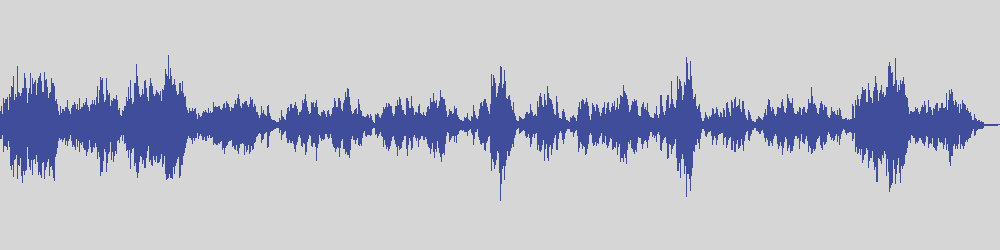
The minor key of this waltz gives the piece a melancholic, almost sad feel. The soloist plays at a medium tempo without straying too far from the initial melody, then a more optimistic section lifts the gloom before it returns to melancholy to finish.
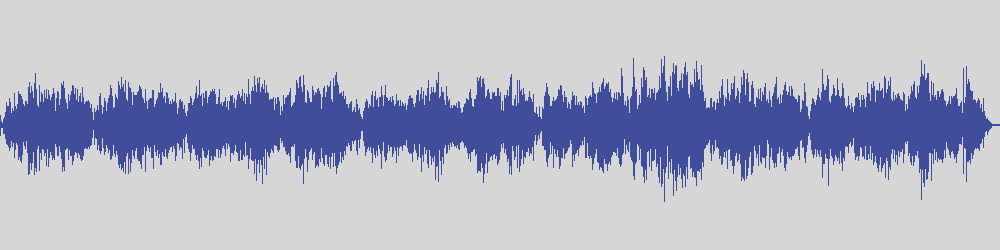
Beautiful melodies glide with effortless grace at the start of this famous Chopin piano solo. It becomes more intense before a soft ending. Used in many productions such as the James Bond film 'The Spy Who Loved Me'.
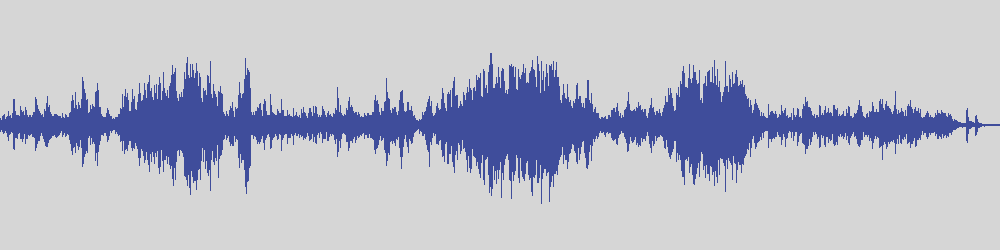
The piece is based on a theme from the last movement of the 2nd Violin Concerto in B minor by violinist Niccolò Paganini, a rondo in which the harmonies are supported by the ringing of a hand bell. Liszt had already used the theme for piano in his Variations Grande Fantaisie de Bravoure sur 'La Clochette' de Paganini in B minor. He then reworked the piece in the third etude of the 12 Études d'exécution transcendante in A flat minor. The final version of the Grandes Etudes de Paganin is written in G sharp minor. It is now the most popular and frequently played version. The etude is played at Allegretto and is basically a sequence of different finger exercises for the right hand. At the beginning there are huge staccato jumps of the right hand for which the piece is notorious. This is followed by exercises for the tension of the right hand , octave finger change exercises, trills, runs with almost exclusive participation of the weaker fingers, ascending sequences of fourth sex chords and finally chromatic octave runs. Since the difficulties are limited to the right hand, the piece is not as difficult for large, trained hands as it is commonly portrayed.
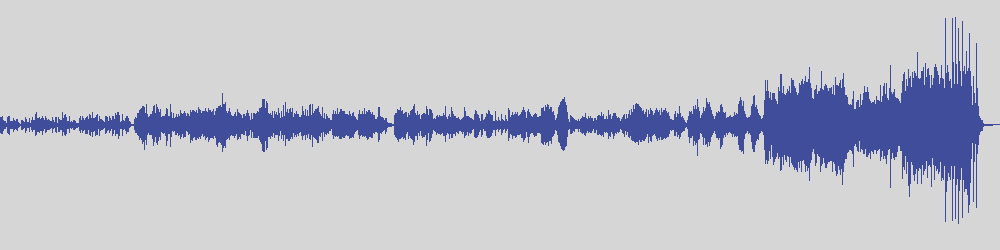
A mood of intense yet subdued emotion marks the overall feeling of the second Liebestraum composed by Liszt. More dynamic than the first and third parts it shows a less confident side whilst still retaining its passion and sentimentality.
Eine kleine Geschichte, erzählt von einem Klavier auf dem Nachhauseweg.
Sad and devoid of hope, this Chopin composition was played at his own funeral. It has been popular in recent film and TV productions including 'The Pianist' and 'The West Wing'.