/
Please enable JavaScript to play our music tracks!
Waveform will be available soon!
All rights reserved. No usage without prior licensing. Please be fair. Thank you!
A Hot Club of France style jazzy piece where the first 30 seconds are in jazzy ballad style, and then the tempo picks up with acoustic riffing on the 8ths. Charming, warm and irresistable. The underscore and the shorter versions omit the ballad opening and go straight to the main part.
A military march for Snares, Field Drums and Bass Drums. The army is marching to war. Good for a civil war scene.
A warm-blooded, sensual Mexican ballad with spanish guitars and accordeon.
Building, Progressive, Confident
Modern and edgy rock track. Strong and confident sound with crunchy guitars and raw sounding drums. Heavy but not over-powering, strong but not dominant. Great for projects looking for a modern sound.
Hard, gritty, techno rock. Filtered and distorted bass guitar, processed drums and biting guitar riffs. Similar to Crystal Method or The Matrix etc. Full mix.
Threesomes Trance track, with a sensitive piano hook, dreamy backings and the support of large sparkling synths
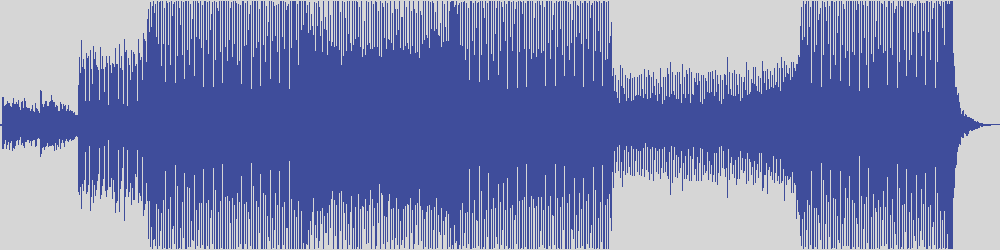
A warm, positive and melodic fantasy/celtic inspired track. Have a little patience with this one -- the atmospheric intro section lasts for about 1 minute before the tempo picks up to an upbeat celtic jam with piccolo flute, guitars, hand drums, etc. Full mix.
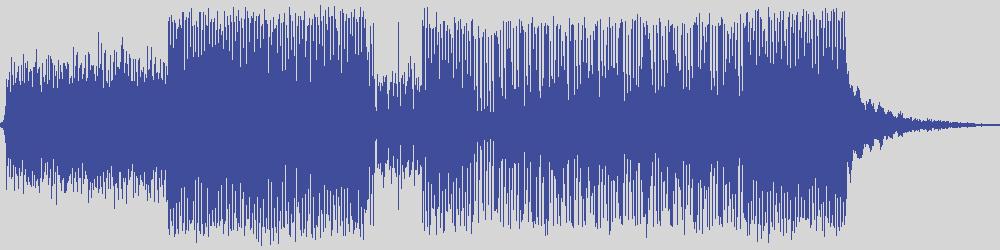
A charming, slowish Ska in minor key with a nosey trumpet lead line, slightly comic. There is also an underscore version without the trumpet, which is great as a background groove, has more of a reggae feel, and shows off the cool bass line.
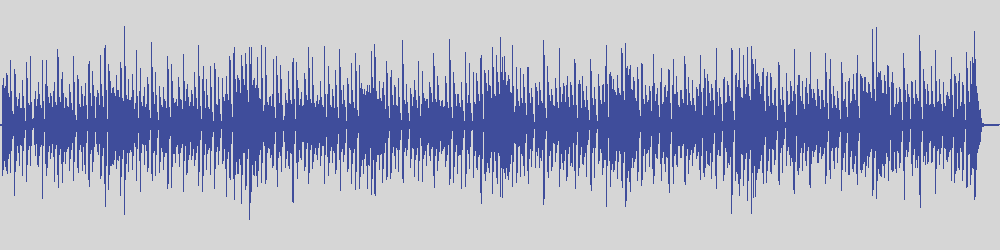
Gritty, dirty, hip-hop with a hardcore rock element and drum'n bass style drums. Hard, dark, extreme, war mongering. Good for extreme sports and action filled footage. Grinding guitars with slamming hip hop / electronica drums.